In the fast-paced digital landscape of April 2026, traditional marketing methods that rely on surveys and focus groups have become relics of a bygone era. Today, the most successful brands don't ask customers what they want, they measure how their brains react. This is the essence of neuromarketing, a field that has evolved from a niche academic interest into the cornerstone of modern digital marketing. By understanding the biological drivers of consumer behavior, growth hackers and business owners are now achieving conversion rates that were thought impossible just two years ago.
The core premise is simple yet profound: roughly 95 percent of all cognitive processing occurs in the subconscious mind. When a user lands on your website, their brain makes a series of lightning-fast evaluations before they even consciously register your headline. In fact, research from Nielsen Consumer Insights confirms that the human brain can process an image in as little as 13 milliseconds. If your brand strategy isn't optimized for these subconscious split-seconds, you are leaving revenue on the table.
The Science of the Subconscious: Why Neuromarketing Rules in 2026
As we navigate the complexities of 2026, the integration of AI-driven neuro-analytics has made it easier than ever to apply marketing psychology at scale. We no longer guess which color palette triggers trust, we use biometric data to prove it. Neuromarketing bypasses the "polite lies" people tell in surveys and goes straight to the source: the neural pathways that dictate buyer decision making.
To master this, we must look at the Somatic Marker Hypothesis. This theory suggests that the brain attaches emotional "markers" to every brand experience. If your website creates a positive emotional "ping" through seamless UX and cognitive fluency, the brain will automatically favor your product in future decisions, even if a competitor offers a lower price. This is the ultimate goal of persuasion marketing: creating an instinctive preference that bypasses logical scrutiny.
Core Frameworks: System 1 vs. System 2 in the Modern Age
The foundation of any robust neuromarketing strategy is Dual Process Theory. This framework divides human thinking into two distinct systems:
- System 1 (The Target): Fast, instinctive, and emotional. This system is responsible for the vast majority of daily choices. It reacts to high-contrast visuals, social proof, and immediate rewards.
- System 2 (The Justifier): Slow, logical, and effortful. This system only kicks in when we need to justify a decision we have already made emotionally.
In 2026, the most effective conversion rate optimisation tactics focus on winning over System 1 first. Once the emotional buy-in is secured, we provide the data, specs, and logical arguments (the "reasons why") to satisfy System 2. If you flip this order, you risk triggering "analysis paralysis," leading the user to bounce before they ever feel a connection to your brand.
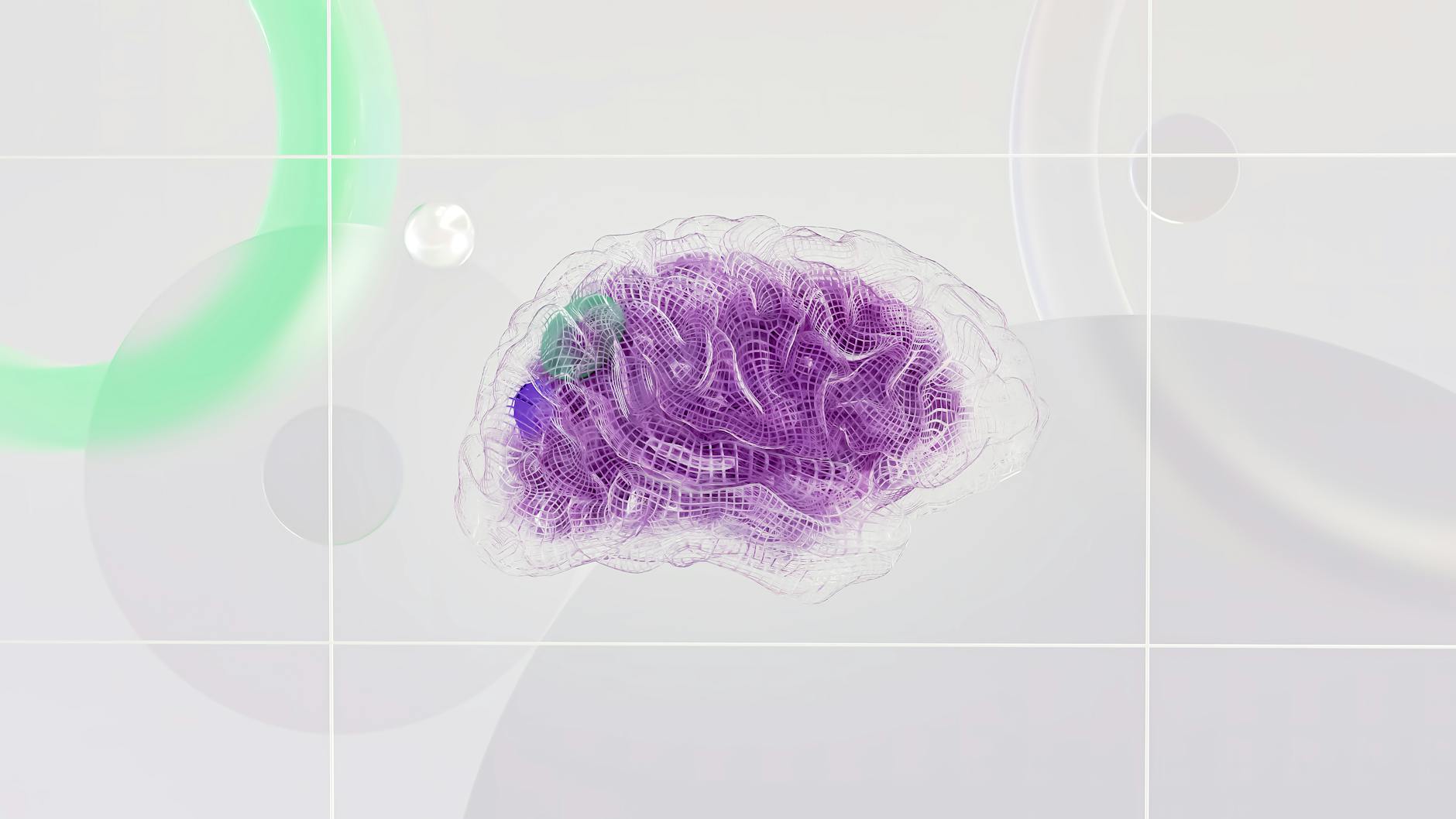
The Triune Brain: Marketing to the Reptilian Core
To truly influence consumer behavior, you must understand the Triune Brain model. While the Neocortex handles language and complex logic, the Reptilian Brain (basal ganglia) is focused on survival, contrast, and self-preservation. This primitive part of the brain is incredibly visual and reacts strongly to "Before vs. After" scenarios.
Visuals are processed 60,000 times faster than text, and 90% of the information transmitted to the brain is visual. In a world of 2026 attention spans, your visual brand strategy is your most powerful weapon.
When designing landing pages, remember that the Reptilian brain is self-centered. It doesn't care about your company's history, it cares about how your product solves its immediate pain. This is why high-growth marketers now prioritize "above the fold" content that speaks directly to the user's survival or status needs. According to data tracked by Moz SEO & Marketing, users still spend 80% of their time looking at information above the fold, even with the rise of infinite scroll interfaces.
The Neuromarketing Playbook: 5 Tactics for 2026 Growth Hackers
Implementing neuromarketing doesn't require a laboratory. It requires a disciplined application of psychological triggers. Here are five proven tactics that are dominating the marketing landscape this year:
1. Gaze Cueing and Visual Direction
Humans have an innate reflex to follow the gaze of others. If the hero image on your landing page features a model looking directly at the camera, the user will look at the model, ignoring your CTA. However, if the model is looking at your "Sign Up" button, the user's eyes will instinctively follow. This simple shift in brand psychology can increase click-through rates by up to 40%.
2. Cognitive Fluency (The Easy Factor)
If something is easy to read, the brain perceives it as true and safe. This is why using simple fonts, high-contrast colors, and clear language is a non-negotiable CRO tactic. In 2026, with the sheer volume of digital noise, the brand that is easiest to understand is the brand that wins. Complex jargon triggers a "threat response" in the brain, causing it to shut down and seek an easier alternative.
3. The Decoy Effect
The brain struggles to evaluate value in a vacuum. By introducing a "decoy" option, you can steer users toward your preferred choice. For example, if you offer a Basic plan for $50 and a Premium plan for $100, the choice is difficult. But if you introduce a "Plus" plan for $95 that has fewer features than the Premium plan, the $100 option suddenly looks like an incredible bargain. This asymmetric dominance is a staple of modern buyer psychology.
4. Loss Aversion and Scarcity
The pain of losing is psychologically twice as powerful as the joy of gaining. Instead of saying "Gain 20% savings," try "Don't lose your 20% discount." In 2026, scarcity must be used ethically but firmly. Real-time stock updates and limited-time offers trigger the limbic system's fear of missing out (FOMO), accelerating the buyer decision making process.
5. Anchoring and Price Perception
The first number a user sees sets the "anchor" for all subsequent evaluations. This is why showing a crossed-out original price next to a sale price is so effective. Even if the user knows it's a marketing tactic, their subconscious brain cannot help but use the higher number as a benchmark for value. For more on how to structure these offers, check out the latest resources at HubSpot Marketing Blog.

Avoiding the Over-Stimulation Trap: Common CRO Mistakes
While neuromarketing is powerful, it is easy to overdo it. One of the most common mistakes in 2026 is "Choice Overload," also known as Hick's Law. Offering too many options, whether it's ten different subscription tiers or twenty different CTA buttons, causes the brain to freeze. This analysis paralysis leads to zero conversions.
Another pitfall is "Amygdala Hijack." When a website uses too many flashing banners, aggressive pop-ups, and competing colors, it triggers a stress response. Instead of feeling excited, the user feels attacked and will leave the site to find a "safer" environment. High-performance digital marketing requires a balance between stimulation and serenity.
Finally, ignore contextual priming at your peril. If you are selling a luxury product, every element of your site must scream "premium." Placing a high-end product on a cluttered, cheap-looking site creates cognitive dissonance. The brain cannot reconcile the price with the environment, and the sale is lost. As noted in several Harvard Business Review case studies, the environment in which a product is presented is often more important than the product itself.
The Future of Neuromarketing: What's Next?
As we look toward the late 2020s, the field is moving toward real-time personalization based on emotional states. AI can now adjust the tone of a website's copy based on the user's scrolling speed and hover patterns, which serve as proxies for frustration or interest. For those looking to stay ahead of the curve, mastering these persuasion techniques today is the only way to remain competitive tomorrow.
Data-backed strategies from experts like Neil Patel Digital emphasize that the future belongs to those who can marry technical SEO with deep human psychology. It is no longer enough to rank on page one, you must convert the click by speaking to the soul.
Frequently Asked Questions
What is the most effective neuromarketing trigger?
While it varies by industry, Social Proof remains one of the most powerful triggers. The brain is hardwired to follow the tribe. Seeing that thousands of others have successfully used a product reduces the perceived risk for the Reptilian brain, making the conversion feel "safe."
Is neuromarketing ethical in 2026?
Ethical neuromarketing is about reducing friction and helping users find the solutions they need more easily. While these techniques are powerful, transparency and data privacy (following the Neuro-Ethics Act of 2025) are essential for maintaining brand trust in the long term.
How does neuromarketing impact SEO?
Neuromarketing improves user engagement metrics like dwell time and click-through rate, which are critical ranking factors in 2026. When a site is psychologically optimized, users stay longer and interact more, signaling to search engines that the content is high-quality.
Do I need expensive equipment to use these techniques?
No. While big brands use fMRI and EEG, small business owners can apply the principles of marketing psychology through A/B testing, heatmaps, and following established frameworks like the Decoy Effect and Gaze Cueing.
How does color affect consumer behavior?
Color psychology is a key component of neuromarketing. For instance, blue often triggers feelings of trust and security (common in fintech), while red can create a sense of urgency or excitement (common in clearance sales). The key is consistency with your overall brand strategy.
Conclusion
The transition into a neuro-centric marketing world is complete. In 2026, understanding the biological underpinnings of neuromarketing is no longer optional for growth hackers, it is a survival skill. By moving beyond what people say and focusing on how their brains actually respond, you can create marketing campaigns that are not just seen, but felt. From leveraging the Decoy Effect to optimizing for cognitive fluency, these strategies allow you to align your brand with the natural rhythms of the human mind. Start implementing these data-backed techniques today to transform your conversion rates and build a brand that truly resonates on a subconscious level.